
On August 1, 2025, at Flowing Code S.A., we reached a new milestone: we successfully achieved our first recertification of the ISO 9001:2015 standard, having successfully passed the audit conducted by TÜV Rheinland. Beyond the certificate itself, what we are celebrating is the entire journey we took to get here.
The First Steps of a Transformation
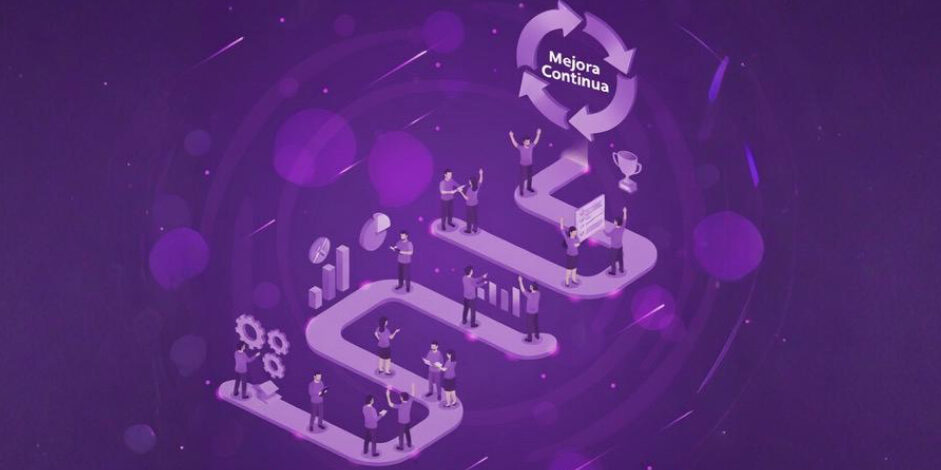
When we started this process a few years ago, we had to stop and look inward, putting down in writing what we did day-to-day. Defining processes, documenting every activity, and establishing measurable objectives and management indicators. It was quite a challenge. We went from doing things “as we always did” to asking ourselves why we do them that way and how we can do them better. It wasn’t easy, but it was the first step in a profound transformation.
The initial certification filled us with pride, but it also showed us that maintaining a quality management system is not something achieved once and then forgotten. It requires constancy, review, and a lot of teamwork. The surveillance audits helped us to adjust, improve, and strengthen the system. Every observation became an opportunity to grow and, above all, to learn.
The Culture of Improvement as a Driving Force
Throughout this time, we improved processes, strengthened documentation, and reinforced internal communication, but above all, we grew as a team. The change was felt in every corner of the company. We shifted from a reactive logic—where we were constantly chasing problems—to a preventive, more mature, and conscious outlook. Today, we no longer wait for something to happen before acting: we anticipate it, we think about it beforehand, and we build solutions together.
The most valuable outcome was seeing how this way of working became natural. Every member of Flowing Code began to own the system, understanding it not as a mere requirement, but as a tool to improve what we do and how we do it. Proposals for improvement no longer arise from a meeting or an audit, but from daily conversations, careful observation, and the willingness to do things a little better than yesterday. This silent but deep cultural evolution is perhaps the greatest achievement of this entire journey.
Training, Support, and Leaving a Mark
The commitment to quality also led us to look beyond our internal processes and take on a more active role toward our environment. We understood that continuous improvement is measured not only in indicators or procedures but also in the impact we generate on the community and the environment. Thus, we initiated a comprehensive paperless process that allowed us to drastically reduce paper use, implementing digital pay stubs, electronic signatures, and online administrative workflows. Every document we no longer print is a small contribution to a more sustainable planet, and at the same time, a sign of efficiency and modernization in our management.
But our commitment doesn’t end there. From the analysis of our context and interested parties, new ways of engaging with society emerged. Today, we open our doors to university internships and professional training for high school students, offering them the opportunity to have their first work experience, learn about the real world of work, and discover or strengthen their vocation. We believe that supporting the new generations is also part of quality management: contributing to their training, inspiring them, and helping them build their own professional path. Ultimately, we seek for every step we take toward internal improvement to also leave a positive mark on the environment around us.
Quality as a Permanent Path
With each cycle of the management system, we adjusted objectives, redefined roles, and adapted the organizational structure to new challenges. What started as a formal requirement evolved into a true organizational culture based on continuous improvement. Quality objectives, which were general goals at first, progressed toward more concrete, measurable purposes aligned with the company’s strategy. Each one is supported by clear indicators that allow us to evaluate results, make informed decisions, and learn from experience.
Today, we measure not only compliance but also impact: how much value we generate, how we improve the satisfaction of those who trust us, and how far we advance in the efficiency of our processes. Indicators stopped being just numbers on a spreadsheet and became living management tools. They show us the pulse of the organization, help us detect deviations, and inspire us to keep growing. This analytical, yet reflective, perspective taught us that the most important results are not always measured in figures, but in the trust, collaboration, and commitment we build together.
This recertification is not a destination, but a new stage of the journey. We remain committed to implementing all the opportunities for improvement identified with the auditors, strengthening our management, and continuing to grow as a team. Because at Flowing Code, we believe that quality is not audited once a year: it is built every single day.


Join the conversation!